Write Like an Offensive Lineman
We are all designed to protect ourselves with a fight or flight responses to danger. Wanting to avoid things that appear threatening is a good thing. But that anxious place where fear lives in our brain is also valuable. It is less filtered and corrupted by the need to be validated. We aren’t afraid of things because it makes us look good. Just the opposite. That is what makes our fear authentic and potentially universal. Even if I am afraid of mice and you are afraid of heights we both know what it’s like to feel vulnerable. The specific fear is less important. What makes it interesting is the feeling of something being out of control and threatening.
If we are willing to write about things that we don’t have figured out, we will expand our range and increase our resilience. For example, if I write about a complex family relationship or a bad breakup, then I know I can write about those hard things, and I develop confidence in my ability to manage, process, and even make beauty in the face of hard stuff.
Writing about what scares us is not merely or even mostly confessional writing. It is about taking the bull by the horns. Any bull. My second novel is set in Utah. I was very afraid of trying to deal with Utah’s peculiar culture, but I felt that it worked for my character and her issues. Writing it made me a better writer. When people had all kinds of opinions about my book that made me a better writer. I toughened up. And people have also made me rub my eyes by telling me that it was a book they needed. That was good for me too.
What if Jane Austin had avoided writing about privilege, classism and the cruelties of the social rituals in Regency era England? As a single woman she had cause to fear her books reception. She was a keen observer of her reviews and acutely aware how they were received. I am so glad she didn’t listen to that fear but mined it like gold instead.
Edgar Allen Poe was terrified of premature burial and look how writing about that turned out? Cormac McCarthy felt a sense of being stalked when he was writing Blood Meridian. Stephen King, the master of horror, scared himself silly writing Pet Cemetery, It, and Misery. John Steinbeck was just scared of writing in general. He famously said, “I will go so far as to say that the writer who is not scared is happily unaware of the remote and tantalizing majesty of the medium.”
In my own case, I had many reasons not to be a writer at all. I was a single mom with kids to take care of before my first book came out. It felt impossible. Turns out it wasn’t.
So how does this work?
First write regularly and develop discipline and credibility with yourself. Next write what comes to you. In horse therapy people sometimes say the horse chooses the rider. This is only partly true, because the rider walks out onto a field and nine time out of ten the horse that is most complementary to the rider meets that rider halfway. They find each other. Stories are the same way. If you have a story idea walk up to you and says, “Here I am,” consider petting it. If you like it, and it likes you back, consider putting on a bridle.
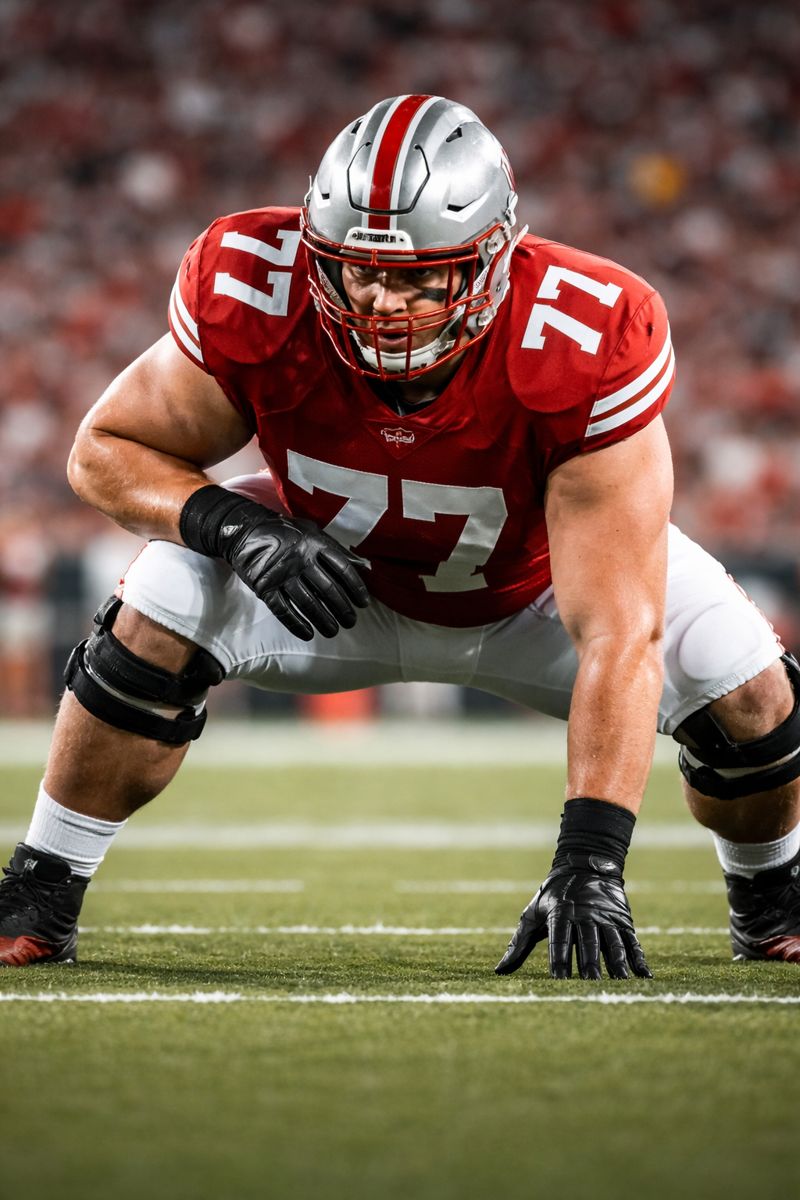
I caution you only to be gentle with yourself. If you aren’t ready for some material give it the time it needs to sit inside you. Other than that, write whatever sets your teeth on edge. Mice or a bad childhood. Terrible hair. Not being enough. Being alone. Poverty. Racism. First dates. Bad grades. Speaking in public. Divorce. Disease. Death. Really bad eggs. Maybe write a fantasy because you never have. Write a gothic mystery because you have a bad dream. Maybe write a literary masterpiece. All could be fantastic. Once you have selected something funny or serious that sets you on the defensive, start free writing on the offensive! Like you are on the offensive line (pun intended) and the quarter back, holding the ball, is your fear. The momentum you get from going straight and hard at your material will help you. You will refine this work many, many times, but the first time, just GO!
Write with immersive sensory detail. Make the reader feel what you feel. If you have never felt what you are writing about, do your homework and use your imagination. Be funny, be fierce, be a total Fuit Loop, but go. Something interesting will happen.